

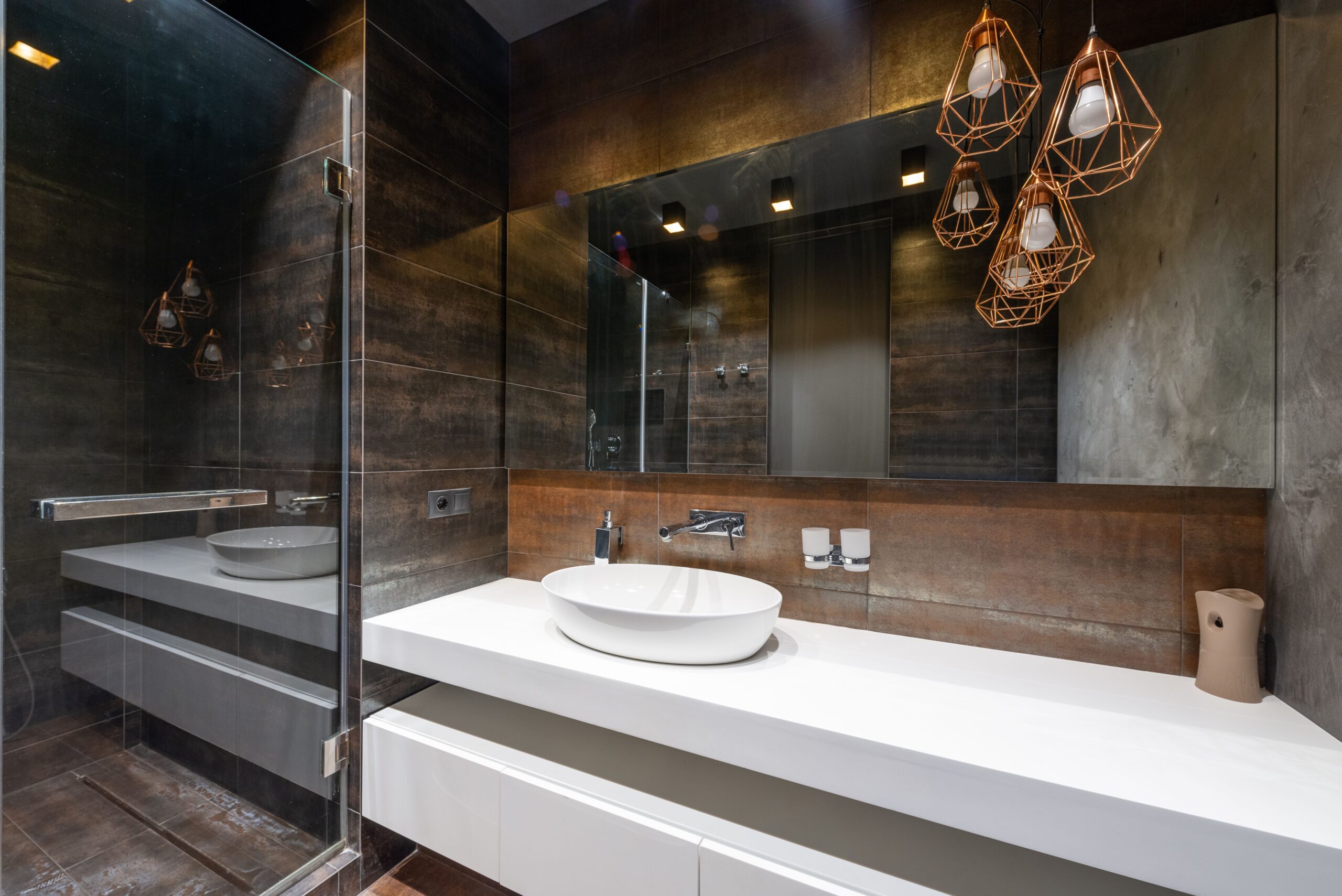
A luxury bathroom remodel can transform one of the most practical rooms in your home into a more comfortable, functional, and visually refined space.
But a successful high-end bathroom renovation involves much more than choosing beautiful tile and fixtures. Plumbing locations, waterproofing, ventilation, electrical planning, storage, lighting, accessibility, material selection, and permitting can all affect the final result.
That is especially important in Northern Virginia, where homes range from older properties in Arlington, Alexandria, and Falls Church to larger suburban homes in Fairfax and Loudoun counties. Existing conditions can vary dramatically from one house to another.
Bathroom remodeling also remains one of the most common renovation projects nationwide. NAHB reported that bathroom remodeling was the most common remodeling project among remodelers in 2025, while the 2025 NAR/NARI Remodeling Impact Report found that bathroom renovations continued to see meaningful homeowner demand.
Before demolition begins, Northern Virginia homeowners should understand where the money goes, which decisions should be made early, and which design choices can improve both everyday use and long-term value.
What Makes a Bathroom Remodel “Luxury”?
Luxury does not simply mean choosing the most expensive materials.
A truly high-end bathroom combines thoughtful design, durable construction, comfort, and details that make the room easier to use every day.
Common luxury bathroom features include:
- Large walk-in or curbless showers
- Frameless glass enclosures
- Freestanding tubs
- Custom vanities
- Stone or premium porcelain tile
- Heated flooring
- Multiple showerheads
- Handheld shower fixtures
- Built-in shower niches
- Custom lighting
- Improved ventilation
- Double vanities
- Private toilet areas
- Integrated storage
- Smart mirrors
- Premium plumbing fixtures
The most successful remodels prioritize the layout and construction details first. Decorative finishes come afterward.
1. Start With the Layout, Not the Tile
One of the biggest mistakes homeowners make is selecting finishes before deciding how the room should function.
Before choosing tile, faucets, or lighting, determine whether the existing layout works.
Ask:
- Is the shower large enough?
- Is the tub actually used?
- Is there enough storage?
- Does the vanity provide enough counter space?
- Does the door interfere with fixtures?
- Is the toilet positioned appropriately?
- Would two sinks improve daily use?
- Is the shower entrance comfortable?
- Is natural light being used effectively?
A bathroom can contain premium materials and still feel inconvenient if the layout is poorly planned.
Keeping the Existing Layout
Keeping plumbing fixtures in approximately the same locations can simplify a remodel.
If the toilet, shower, tub, and sinks already work well, retaining their locations may allow more of the budget to go toward cabinetry, tile, lighting, and fixtures.
Changing the Layout
Relocating plumbing can produce a much better bathroom, but it generally adds complexity.
Moving a toilet or shower may require work beneath the floor, inside walls, or in the ceiling below. Structural framing can also affect how easily drains can be relocated.
The right question is not simply:
“Can we move it?”
It is:
“Will moving it improve the room enough to justify the additional work?”
2. Decide Whether You Really Need a Bathtub
Many homeowners assume a luxury primary bathroom must include both a large shower and a bathtub.
That is not always necessary.
If you rarely use a tub, removing an oversized deck-mounted bathtub can create room for:
- A larger shower
- Additional storage
- A longer vanity
- More open floor space
- A freestanding tub with a smaller footprint
However, homeowners should consider the needs of the entire property.
If the house has no other bathtub, removing the only tub may make the home less practical for some families with young children or buyers who prefer one.
For many Northern Virginia homeowners, the best compromise is to retain at least one bathtub somewhere in the home while designing the primary bathroom around how they actually live.
3. Plan Plumbing Decisions Before Construction Starts
Luxury bathrooms typically involve more plumbing components than basic renovations.
These may include:
- Dual showerheads
- Rain shower
- Handheld sprayer
- Body sprays
- Freestanding tub filler
- Double sinks
- Separate water closet
- Linear shower drain
These features need to be planned before walls and floors are finished.
For example, adding multiple shower fixtures can affect water supply, valve configuration, drainage, and hot-water demand.
This is why fixture selection should happen earlier than many homeowners expect.
In Fairfax County, residential bathroom remodels are among the projects that can require permits, and plumbing work involving new, repaired, replaced, or relocated fixtures may also trigger separate trade permits depending on the scope.
4. Waterproofing Is More Important Than the Tile
Tile gets most of the attention because it is visible.
Waterproofing is what protects the house.
A properly constructed shower should be designed so water cannot reach vulnerable framing or subfloor materials.
The waterproofing system may include:
- Waterproof membrane
- Shower pan
- Properly integrated drain
- Sealed corners
- Waterproofed niches
- Proper transitions
- Correctly sloped shower floor
Water intrusion behind beautiful tile can lead to expensive problems that are difficult to detect until substantial damage has occurred.
Homeowners should therefore ask their contractor:
What waterproofing system will be used, and how will the shower be tested before tile installation?
The answer matters more than the tile brand.
5. Choose Bathroom Tile for Performance as Well as Appearance
Tile can dramatically affect the visual character of a luxury bathroom.
Popular options include:
- Porcelain
- Ceramic
- Marble
- Natural stone
- Large-format tile
- Mosaic tile
But every material performs differently.
Porcelain Tile
Porcelain is widely used because it is durable, relatively low-maintenance, and available in designs that resemble stone, marble, concrete, or wood.
It can work well for floors, walls, and shower areas.
Natural Stone
Marble and other natural stones can create a distinctive luxury appearance.
However, homeowners should understand that many natural stones require more maintenance and may need periodic sealing.
Some stones can also stain, etch, or react differently to cleaning products.
Large-Format Tile
Large-format tile can produce a cleaner appearance with fewer grout lines.
However, installation requires a sufficiently flat substrate and careful layout.
Larger tile does not automatically mean easier installation.
Shower Floor Tile
Slip resistance becomes especially important on wet floors.
Small-format mosaic tile is often used because additional grout joints can provide traction and allow the material to follow the slope toward the drain.
6. Do Not Treat Grout as an Afterthought
Grout affects both appearance and maintenance.
The grout color can either:
- Blend with the tile, or
- Create intentional contrast.
Homeowners should also discuss grout type, stain resistance, sealing requirements, and maintenance.
A bathroom with beautiful tile can lose its polished appearance quickly if the grout was poorly selected or installed.
Ask for actual tile and grout samples together before finalizing the decision.
7. Invest in Good Ventilation
Bathrooms generate substantial humidity.
Poor ventilation can contribute to:
- Peeling paint
- Condensation
- Mold and mildew
- Damaged cabinetry
- Moisture accumulation
- Uncomfortable indoor conditions
A larger luxury bathroom may require a more capable exhaust system than the original bathroom had.
Ventilation planning should take into account:
- Bathroom size
- Shower size
- Ceiling height
- Fan capacity
- Duct routing
- Exhaust location
If the remodeling scope includes mechanical changes, additional permitting requirements can apply. Fairfax County notes that separate mechanical, electrical, and plumbing permits may be necessary for residential alteration projects.
8. Plan the Lighting in Layers
A luxury bathroom should not rely on one ceiling fixture.
Good lighting generally combines several sources.
General Lighting
Provides overall room illumination.
Vanity Lighting
Proper lighting around the mirror makes grooming easier and can reduce harsh shadows.
Shower Lighting
A large enclosed shower may need dedicated lighting.
Accent Lighting
Examples include:
- Under-vanity lighting
- Illuminated niches
- Decorative pendants
- Backlit mirrors
- Indirect ceiling lighting
Where possible, putting different lighting groups on separate controls gives homeowners much greater flexibility.
Dimmers can also help the bathroom transition from bright morning use to softer evening lighting.
9. Think About Electrical Needs Early
Modern bathrooms often use considerably more electrical equipment than older bathrooms were designed for.
Homeowners may want:
- Heated floors
- Heated towel racks
- Smart toilets
- Bidet seats
- Lighted mirrors
- Additional outlets
- Hair dryers
- Electric toothbrush chargers
- Built-in vanity outlets
These decisions should be made before drywall and tile.
Moving or adding electrical equipment later can be disruptive and expensive.
10. Heated Floors Can Be Worth Considering
Radiant floor heating is one of those features homeowners may initially view as optional but appreciate every winter.
It is particularly useful underneath tile, which can otherwise feel cold.
The best time to install electric radiant heating is during a full bathroom renovation because the flooring is already being removed.
Homeowners should discuss:
- Heating system type
- Thermostat location
- Electrical requirements
- Areas that should or should not be heated
The system must be planned around permanently installed fixtures and cabinetry.
11. Custom Vanities Can Improve Both Storage and Design
The vanity is often one of the largest visual elements in the bathroom.
Custom or semi-custom cabinetry allows homeowners to tailor storage to their needs.
Consider incorporating:
- Deep drawers
- Interior electrical outlets
- Hair-tool storage
- Drawer organizers
- Medicine cabinets
- Linen towers
- Floating cabinetry
- Integrated lighting
Drawers can often be more practical than traditional cabinet doors because items are easier to see and access.
Also consider vanity height.
A height that worked decades ago may not be the most comfortable choice today.
12. Choose Countertops for Bathroom Conditions
Bathroom countertops encounter water, cosmetics, soaps, and cleaning products.
Popular materials include:
- Quartz
- Quartzite
- Granite
- Marble
- Porcelain slab
Quartz is popular because it offers a consistent appearance and relatively low maintenance.
Natural stone provides distinctive character but may require additional care.
The countertop should be selected together with the vanity, sink, backsplash, faucet, and tile—not as an isolated decision.
13. Consider a Curbless Shower
A curbless shower can make a bathroom feel larger and more contemporary while improving accessibility.
Instead of stepping over a raised threshold, the bathroom and shower floors transition more smoothly.
This feature can be particularly useful for homeowners planning to remain in the home long term.
NAHB highlights curbless showers, wider entrances, shower seating, handheld showerheads, and chair-height toilets among design approaches that can improve usability and accessibility.
However, curbless showers require careful planning.
The floor structure, slope, drain location, waterproofing, and finished floor elevations must work together.
It is much easier to design this correctly before demolition than to improvise during construction.
14. Build Accessibility Into the Design Without Making It Look Institutional
Luxury and accessibility are not opposites.
Many universal-design features can be virtually invisible when planned correctly.
Consider:
- Wider shower entrance
- Curbless shower
- Built-in bench
- Handheld shower
- Lever handles
- Comfortable toilet height
- Reinforcement inside walls for future grab bars
- Non-slip flooring
- Clear circulation space
NAHB describes universal design as creating homes that are comfortable and usable by people of different ages and abilities without unnecessarily calling attention to accessibility features.
For homeowners expecting to stay in their Northern Virginia home for many years, including these details during a major remodel can be far easier than modifying the bathroom later.
15. Do Not Forget Storage
Luxury bathrooms often look minimal because storage has been carefully planned—not because the homeowners own fewer things.
Think about where you will store:
- Towels
- Toilet paper
- Cosmetics
- Medicine
- Cleaning products
- Hair tools
- Personal-care products
- Laundry
Possible solutions include:
- Vanity drawers
- Linen cabinets
- Recessed medicine cabinets
- Built-in shelving
- Shower niches
- Vanity towers
Storage should be incorporated into the layout rather than added after the room is designed.
16. Understand What Drives Bathroom Remodeling Cost
Two bathrooms of the same size can have dramatically different budgets.
Major cost drivers include:
Plumbing Relocation
Moving drains, water supplies, toilets, and showers can increase labor and construction complexity.
Tile Selection
Material cost varies considerably, but installation complexity matters too.
Patterned layouts, mosaics, large-format slabs, and extensive wall tile can all increase labor.
Custom Cabinetry
Custom vanities and built-ins cost more than stock cabinetry but offer greater flexibility.
Shower Design
Large showers with multiple fixtures, benches, niches, frameless glass, and specialty drains require additional planning and labor.
Electrical Work
Heated flooring, upgraded lighting, added circuits, and smart fixtures can increase the scope.
Existing Conditions
Once demolition begins, contractors may discover:
- Water damage
- Mold
- Improper wiring
- Plumbing deficiencies
- Structural problems
- Inadequate ventilation
A responsible renovation budget should include a contingency for unexpected conditions.
17. Avoid Choosing a Contractor Based Only on the Lowest Bid
A luxury bathroom contains several systems that must work together:
- Plumbing
- Electrical
- Mechanical ventilation
- Waterproofing
- Tile installation
- Cabinetry
- Glass
- Lighting
- Finish carpentry
A substantially lower bid may not include the same scope, materials, allowances, or construction methods as another proposal.
When comparing contractors, review:
- Exact project scope
- Material allowances
- Waterproofing system
- Fixture responsibilities
- Permit responsibilities
- Timeline
- Change-order process
- Warranty
- Payment schedule
Ask what is not included in addition to what is included.
18. Understand Northern Virginia Permit Requirements
Permit requirements depend on the project scope and jurisdiction.
In Fairfax County, bathroom remodels are specifically identified among projects that can require permits. Separate trade permits may also apply when electrical, mechanical, or plumbing systems are changed.
Arlington County distinguishes between simple replacement work and more substantial alterations. For example, replacing certain fixtures in exactly the same location without relocating pipes or drywall may not require a residential building permit, while relocated bathroom plumbing can require a plumbing permit.
Requirements vary across:
- Fairfax County
- Arlington County
- Loudoun County
- Prince William County
- City of Alexandria
- City of Fairfax
- City of Falls Church
A contractor should determine the appropriate permits before work begins.
19. Review HOA Requirements Before Construction
Condominium and townhouse owners may have another layer of approvals.
Associations can regulate:
- Work hours
- Contractor insurance
- Material delivery
- Elevator use
- Debris removal
- Plumbing shutoffs
- Waterproofing
- Noise
- Common-area protection
Condominium projects deserve particular attention because plumbing and waterproofing failures can affect neighboring units.
Contact the association early rather than waiting until construction is ready to start.
20. Plan Material Selections Before Demolition
One of the easiest ways to delay a renovation is to start demolition before major products are selected or available.
Items with potentially long lead times can include:
- Custom cabinetry
- Specialty tile
- Plumbing fixtures
- Bathtubs
- Shower valves
- Lighting
- Glass
- Stone slabs
Before demolition, ideally determine:
- Layout
- Vanity
- Plumbing fixtures
- Tile
- Countertops
- Lighting
- Shower glass
- Hardware
- Paint
- Accessories
Knowing these details early allows the contractor to coordinate rough plumbing, electrical work, dimensions, and installation.
Does a Luxury Bathroom Remodel Add Value?
Bathroom renovations can improve both homeowner satisfaction and marketability.
The 2025 Remodeling Impact Report indicates that Realtors reported increased consumer demand for bathroom renovation projects, and NARI’s summary of the report lists bathroom remodeling among projects with meaningful cost-recovery potential.
However, homeowners should be cautious about treating remodeling solely as a financial investment.
A luxury bathroom may provide value through:
- Improved daily comfort
- Better functionality
- Reduced maintenance
- Improved accessibility
- Updated aesthetics
- Greater buyer appeal
The best remodeling decisions usually balance personal enjoyment with reasonable expectations for the home’s neighborhood and price range.
Which Bathroom Upgrades Are Worth Prioritizing?
If the budget requires prioritization, focus first on improvements that affect function and construction quality.
High Priority
- Waterproofing
- Plumbing
- Ventilation
- Electrical work
- Functional layout
- Quality shower construction
- Storage
- Proper lighting
Medium Priority
- Heated flooring
- Custom cabinetry
- Frameless glass
- Premium fixtures
- Upgraded countertops
Mostly Personal Preference
- Highly decorative tile
- Luxury bathtub
- Specialty finishes
- Smart bathroom technology
There is nothing wrong with spending on aesthetic features you love.
But waterproofing behind the tile is more important than the tile itself.
Luxury Bathroom Remodel Planning Checklist
Before construction begins, confirm:
- The final bathroom layout.
- Shower dimensions.
- Tub decision.
- Vanity size and configuration.
- Plumbing fixture locations.
- Shower valve and fixture system.
- Tile selections.
- Grout selection.
- Waterproofing method.
- Lighting plan.
- Electrical requirements.
- Exhaust ventilation.
- Heated-floor requirements.
- Storage.
- Accessibility features.
- Permit requirements.
- HOA requirements, if applicable.
- Material lead times.
- Construction schedule.
- Project contingency.
Which Bathroom Design Is Right for You?
The right bathroom remodel depends on how you intend to use the space.
Choose a Large Walk-In Shower If:
- You rarely use a bathtub.
- Shower comfort is your priority.
- Accessibility matters.
- You want an open, modern layout.
Keep a Tub If:
- You regularly use it.
- Young children use the bathroom.
- You want a spa-like soaking experience.
- Removing it would leave the entire home without a bathtub.
Keep the Existing Plumbing Layout If:
- The layout already works.
- Budget efficiency matters.
- You prefer to spend on finishes.
Reconfigure the Bathroom If:
- The existing layout wastes space.
- Storage is inadequate.
- The shower is unusually small.
- Fixtures interfere with circulation.
- You are planning a long-term renovation and want the room optimized.
Plan Your Northern Virginia Bathroom Remodel With DCI Homes
A luxury bathroom remodel should look beautiful when it is finished, but the quality of the project depends largely on what happens behind the walls and beneath the tile.
Careful planning of plumbing, waterproofing, ventilation, electrical systems, lighting, storage, materials, permits, and layout can help prevent expensive changes during construction.
DCI Homes helps Northern Virginia homeowners plan and build bathroom renovations that combine thoughtful design, quality construction, and everyday functionality.
Whether you are updating an older primary bathroom, creating a spa-inspired retreat, improving accessibility, or completely reconfiguring the space, contact DCI Homes to discuss your bathroom remodeling project.
Frequently Asked Questions
Do I need a permit to remodel a bathroom in Northern Virginia?
It depends on the scope and jurisdiction. Fairfax County specifically identifies bathroom remodeling among projects that can require permits, and separate electrical, plumbing, or mechanical permits may apply.
Can I remodel a bathroom without moving the plumbing?
Yes. Keeping fixtures near their existing locations can reduce complexity and may allow more of the budget to go toward finishes and features.
Is a walk-in shower better than a bathtub?
It depends on how the household uses the bathroom. Large showers often improve everyday functionality, while keeping at least one bathtub somewhere in the home can remain useful for families and some future buyers.
Is a curbless shower worth it?
It can be. Curbless showers provide a clean appearance and can improve accessibility, but they require careful floor, drainage, and waterproofing design.
What should I choose first for a bathroom remodel?
Start with the layout. After that, select major fixtures, vanity, shower components, tile, lighting, and other materials before demolition whenever possible.
Does a bathroom remodel add resale value?
It can improve buyer appeal and recover part of its cost, although the return varies by project scope, home value, and market. NARI’s summary of the 2025 Remodeling Impact Report cites a 74% cost recovery estimate for bathroom remodeling.
Should I use marble in a luxury bathroom?
Marble can create an elegant appearance, but it requires more maintenance than many porcelain alternatives. Homeowners should consider staining, etching, sealing, and cleaning requirements before selecting it.
Should I add accessibility features even if I do not need them now?
It can be worthwhile, particularly during a major renovation. Features such as curbless showers, wider entries, blocking for future grab bars, and handheld showerheads can make the bathroom easier to use without compromising the design.