


We’ve all watched those TV shows where someone buys a beat-up house, does a few “magical” renovations, and ends up with their dream home while saving tens of thousands of dollars.
But here’s the real question:
Is that how fixer uppers actually work in real life?
Sometimes… yes.
Other times… absolutely not.
If you’ve ever wondered whether buying a fixer upper is a smart financial move or a stress-filled gamble, this guide breaks it all down: the real costs, the pros and cons, the loan options, and how to know whether YOU should take on a renovation project.
What Exactly Is a Fixer Upper?
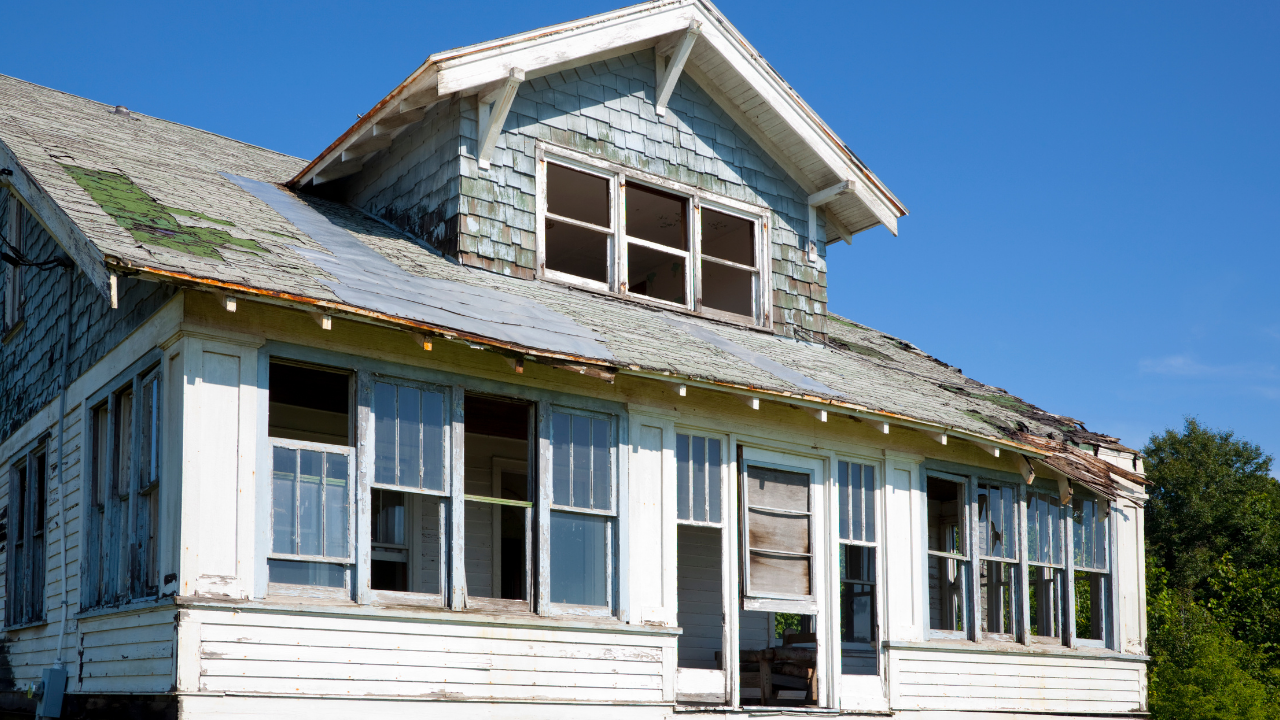
A fixer upper is a home that needs significant repairs or updates before it’s truly move-in ready.
It could be anything from:
-
An outdated kitchen stuck in the 80s
-
Bathrooms untouched for decades
-
Aging HVAC, roof, or electrical systems
-
Or even structural issues like foundation problems, mold, or asbestos
Some fixer uppers are livable but old-fashioned. Others are not safe to occupy without major work.
Why Buyers Love Fixer Uppers: The Price Advantage
Fixer uppers are typically priced lower than comparable move-in-ready homes in the same neighborhood.
For example:
In Fairfax County, a modern renovated 3-bedroom home may list for $750,000.
Just a few streets over, a similar but outdated home might be $595,000.
That $150,000 gap looks like a huge opportunity… and it might be.
But one big question remains:
How much will the renovation actually cost you?
The REAL Costs of Renovating a Fixer Upper
Renovations sound fun — until you start adding up the numbers.
Here are realistic ranges in today’s market:
-
Kitchen renovation: $35,000–$50,000+
-
Bathroom remodels: $15,000–$25,000 each
-
Whole-house flooring: $15,000–$25,000
-
Roof replacement: $12,000–$18,000
-
Electrical or plumbing updates: $10,000–$30,000+
-
Major issues (mold, foundation, asbestos): Tens of thousands
And remember — renovation costs have increased due to higher labor and materials prices.
So yes, fixer uppers can be financially rewarding… but they’re not always the easy shortcut people imagine.
Why Fixer Uppers Still Make Financial Sense
Despite the challenges, fixer uppers offer major advantages:
1. You get total control.
Layouts, finishes, cabinets, floors, tile — you design everything exactly how you want it.
2. You can build instant equity.
Example:
-
Buy at $550,000
-
Invest $100,000
-
Post-renovation value: $750,000–$800,000
That’s $150,000–$250,000 in equity created.
3. Less competition.
Move-in-ready homes get flooded with offers.
Fixer uppers? Not as many buyers want the hassle — giving you negotiation power.
Should YOU Buy a Fixer Upper? Be Honest With Yourself
Fixer uppers are not for everyone — and that’s okay.
Ask yourself:
-
Are you handy or willing to manage contractors?
-
Do you have a renovation budget beyond your down payment?
-
Can you live in a construction zone (or live elsewhere during remodels)?
-
Are you patient with delays, permits, and decision fatigue?
If the answer is “no,” a turnkey home might be a better fit.
Fixer Upper Financing Options You Should Know
You can’t always use a traditional mortgage for homes in poor condition.
But there are great renovation loan options:
FHA 203(k)
Wraps purchase + renovation into one loan.
Fannie Mae HomeStyle Loan
Similar benefits, often with fewer restrictions.
These loans require more paperwork and longer timelines, but they’re powerful tools if you don’t have renovation cash upfront.
Some buyers also partner with local renovation companies offering “buy now, renovate after closing” programs — including design support and project management.
A Real-Life Fixer Upper Win (With Challenges)
A Springfield couple purchased a home for $525,000 that needed everything updated — shag carpet, mirrored walls, you name it.
They invested $85,000 over six months and transformed it into a $725,000 home.
That’s a $115,000 equity gain.
But the journey wasn’t smooth:
-
Contractors ghosted them twice
-
They had to delay their move-in date three times
-
They lived in a basement apartment for half a year
Worth it? Yes.
Easy? Definitely not.
So… Is a Fixer Upper Worth It?
It can be — but only if you know what you’re getting into.
Before making an offer, make sure you have:
✔️ A thorough inspection
✔️ Renovation cost estimates
✔️ The right financing
✔️ A realistic timeline
✔️ Trusted contractors or renovation partners
If you go in prepared, a fixer upper can be a smart investment, a creative project, and a path to instant equity.
If you go in blind, it can become a money pit fast.
Thinking About Buying a Fixer Upper?
If you’re curious about fixer uppers in Northern Virginia — or want help weighing costs, loan options, timelines, and renovation partners — we’re here to help.
Reach out anytime, and we’ll walk you through the smartest path for your goals.
📩 For media inquiries or collaboration opportunities, please contact:
info@dc-icg.com
dc-icg.com | realty.dc-icg.com | construction.dc-icg.com